Cost-Effective Mold Remediation Services: Your Solution to a Healthier Environment
Affordable mold remediation services hold an essential role in maintaining a healthy living environment. Mold can pose significant health risks and jeopardize the structural integrity of homes. Fortunately, a variety of budget-friendly options exist to address this issue properly. Homeowners often fail to notice the signs of mold growth or discount its impact. Understanding the range of solutions available can empower individuals to take proactive steps. What are these options, and how can one choose the right approach?
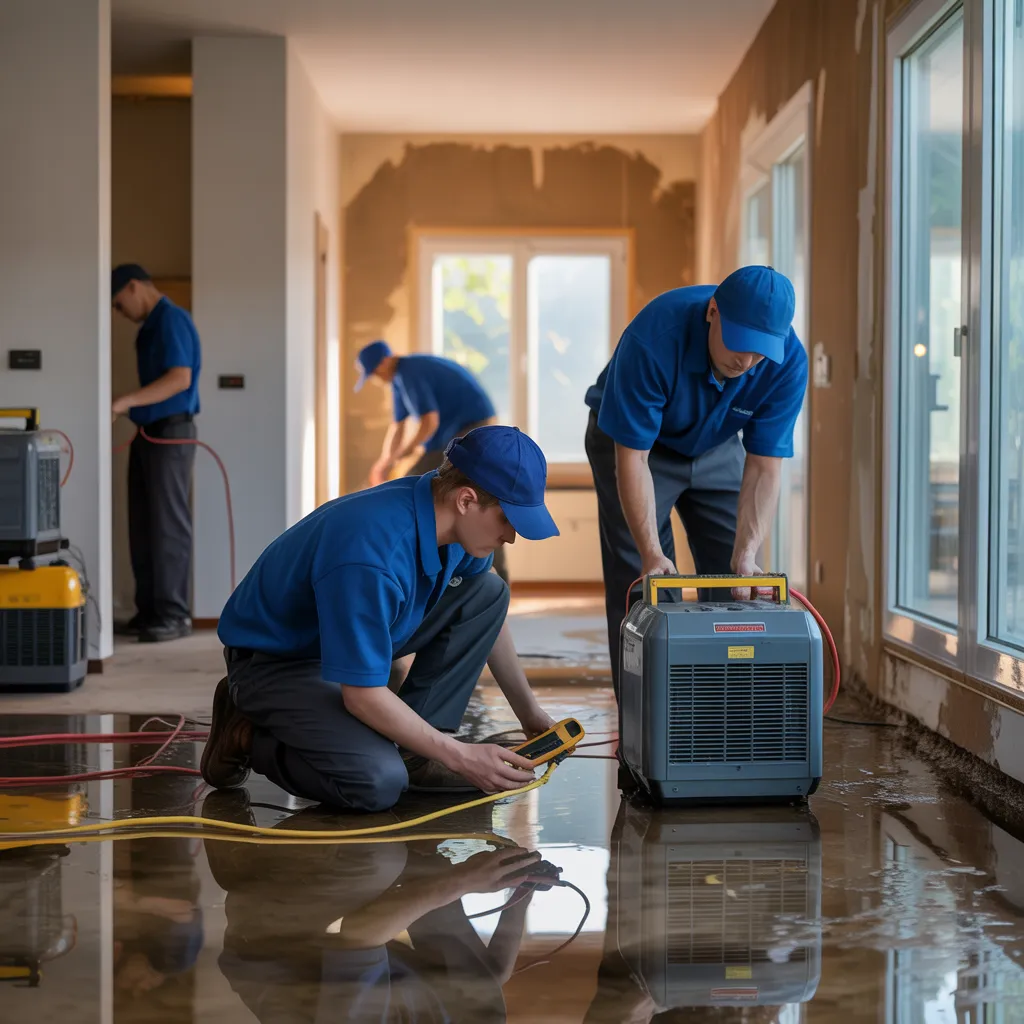
Signs You Need Mold Remediation Solutions
How can property owners recognize the need for mold removal services? Property owners should remain vigilant for several key indicators. Mold that is visible, often appearing as dark spots or fuzzy patches, is a main sign. Additionally, lingering musty odors within the home can indicate hidden mold. Increased allergic reactions among family members, such as sneezing or coughing, may also suggest mold presence. Homeowners should inspect moisture-prone areas, such as bathrooms, basements, and around plumbing fixtures. Stains from water on walls or ceilings can further suggest possible mold development. Furthermore, peeling paint or wallpaper can reveal moisture problems conducive to mold growth. Should any of these signs appear, it is essential for homeowners to act quickly. Disregarding these signs can lead to greater damage and higher remediation costs. Getting professional help early can help guarantee a healthier home environment and preserve property value.

Learning about the Physical Complications of Mold Exposure
Mold exposure can result in a range of health issues, including respiratory problems and skin irritations. Particular demographics, such as young people, the older adults, and people with existing health issues, are particularly vulnerable to these effects. Comprehending these dangers is vital for advancing health and safety in environments where mold is found.
Standard Physical Conditions
Despite being often overlooked, the health dangers associated with mold exposure can be substantial and diverse. Individuals in contact with mold may encounter respiratory difficulties, such as coughing, wheezing, and shortness of breath. Hypersensitivity reactions, like sneezing, itchy eyes, and skin rashes, are also prevalent. Extended exposure can intensify asthma symptoms and lead to chronic sinusitis. In some cases, mold releases mycotoxins, which can result in more grave health problems, including neurological symptoms and immune system suppression. Moreover, those with existing health issues often face increased risks. Grasping these common health issues highlights the importance of timely mold remediation, ensuring a more secure environment for all inhabitants and reducing possible long-term health consequences linked to mold exposure.
Vulnerable Populations Impacted
Certain types are especially vulnerable to the health concerns connected with mold exposure, calling for heightened awareness and preventive efforts. People with pre-existing respiratory conditions, such as asthma or chronic obstructive pulmonary disease, may have worsened symptoms upon mold exposure. Children, with their still-developing immune systems, are especially prone to respiratory problems and allergic reactions. The aged, often having compromised immune systems, face increased health risks as well. Moreover, pregnant women might experience complications that impact both their own health and that of their unborn baby. People with compromised immune systems caused by illnesses like HIV/AIDS or certain drugs are at higher risk for severe infections. Understanding these vulnerable groups is key to implementing efficient mold remediation methods.
Cost-Effective Mold Abatement Options
Finding cost-effective and affordable mold removal options is crucial for homeowners dealing with mold issues. Different methods can help minimize costs while ensuring thorough remediation. One alternative is to engage local community programs that provide financial aid or support for mold remediation, particularly for low-income families. DIY methods, such as using baking soda or vinegar, can also provide short-term solutions for minor mold infestations.
Additionally, homeowners can find companies that offer cost-effective services, which often deliver package deals or discounts for bigger undertakings. Immediate steps is required to avoid additional harm and higher repair fees.
Regular maintenance to ventilation systems and moisture control in basements and bathrooms can limit mold growth, yielding enduring savings. By exploring these affordable solutions, homeowners can effectively address mold issues without spending exorbitant fees, promoting a healthier living environment for their families.
Ways to Find Dependable Mold Removal Companies?
When determining dependable mold removal services, analyzing credentials and certifications is essential for preserving professional integrity. Furthermore, the proficiency and background of the vendor can substantially influence the potency of mold abatement work. These factors facilitate homeowners make informed selections and avoid potential pitfalls.
Professional Credentials and Certifications
Determining trustworthy mold remediation services rests on the qualifications and certifications of the experts engaged. It is essential to verify that specialists are certified by reputable organizations such as the Institute of Inspection, Cleaning, and Restoration Certification (IICRC) or the National Organization of Remediators and Mold Inspectors (NORMI). These accreditations indicate a dedication to industry standards and best practices. Additionally, professionals should have appropriate experience in mold remediation methods and security measures. Permits may also be necessary based on regional ordinances, ensuring accountability and adherence. Checking for coverage safeguards property owners from potential risks during the remediation operation. In the end, comprehensive due diligence on certifications builds confidence in the chosen mold remediation service.
Knowledge and Expertise
Experience and expertise function as vital standards in the search for reliable mold removal solutions. Companies with a proven track record often exhibit their ability to handle diverse mold issues effectively. Evaluating the duration of a service provider's business activity in the industry can uncover their familiarity with various mold types and remediation techniques. Additionally, expertise in ecological safety standards and industry standards is crucial, as improper treatment can exacerbate health risks. Potential clients should seek testimonials and case studies that showcase successful remediation projects. Engaging with certified professionals ensures that the service provider not only has the necessary skills but also adheres to industry regulations, offering peace of mind and a cleaner environment for all.
DIY versus Professional Mold Removal
While many property owners may consider tackling mold elimination themselves, the choice between DIY and expert help can greatly impact both health and property. DIY methods often utilize readily available household cleaners, which may appear budget-friendly. However, these techniques can be insufficient for extensive mold infestations, potentially leading to partial elimination and repeated problems.
Professionals, conversely, have expert instruction and tools that ensure thorough remediation. They can detect underlying moisture sources and use advanced techniques to eliminate mold successfully. Additionally, professionals are prepared to handle the health risks linked to mold exposure, safeguarding both the occupants and the property.
Ultimately, while do-it-yourself solutions might appear appealing for small problems, bigger pest outbreaks require the knowledge of professionals to guarantee complete removal and lasting protection. Investing in expert assistance can avoid future problems and sustain a better quality of life.
Advice for Limiting Future Mold Formation in Your Home
After addressing mold issues, homeowners should concentrate on preventive measures to prevent future growth. First, sustaining ideal humidity levels is essential; indoor humidity should be set between 30% and 50%. Utilizing dehumidifiers in moist regions, such as basements, can substantially reduce moisture.
Consistently checking and fixing leaks in roofs, plumbing, and windows stops water accumulation, which fosters mold growth. Additionally, guaranteeing adequate airflow in bathrooms and kitchens enhances air circulation, further reducing humidity.
Homeowners should also consistently clean and dry areas inclined to moisture, such as shower curtains and sink traps. Employing mold-resistant products, including paints and building materials, can give an extra layer of safeguard.
Finally, maintaining clean gutters and guaranteeing adequate drainage around the foundation will assist in preventing water from learn more seeping into the home. By implementing these strategies, property owners can create a mold-resistant environment and maintain a more healthy home environment.
Frequently Inquired Questions
How long Does the Mold Remediation Process Typically Take?
Mold remediation usually takes between one to seven days, determined by the extent of the contamination and the size of the impacted region. Various factors like drying and repair work can extend the timeline.
Can my insurance handle mold remediation bills?
Protection related to mold removal expenses varies across different policies. Ordinarily, it could be covered if mold arises from a covered peril. Homeowners need to reach out to their insurance company regarding detailed information concerning their protection.
Which Varieties of Mold Are Typically Often Found in Homes?
Common varieties of mold found in homes consist of Aspergillus, Cladosporium, and Stachybotrys (black mold). These fungi thrive in damp conditions and can pose health risks, making identification and remediation essential for a safe living space.
Am I allowed to stay in My Home During Mold removal?
When mold remediation is taking place, it is typically recommended to leave your residence, especially in severe cases. Experts evaluate potential hazards, guaranteeing minimal exposure to harmful spores, which can cause health issues for residents.
How Can I Assess if Mold Removal Was Successful?
To determine if mold removal was accomplished, one should examine for remaining odors, observable mold, and moisture content. Conducting air quality tests and ensuring thorough inspection by professionals can validate the efficiency of the treatment process.